
Get Support
+91 98847 13347
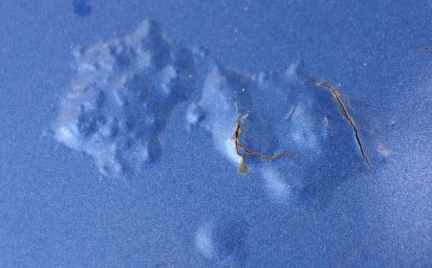
Cracking
Causes:- Paint is applied over a powdery surface
- Surface not cleaned of dirt, oil, and grease
- Moisture trapped beneath the surface of the paint film
- Over-thinning the paint or applying it too thin
- Remove all the previously cracked and flaky paint film with a sand paper, scraper or wire brush.
- Wipe the surface and apply a coat of suitable primer.
- Avoid too-thin or too-thick application.
- If using a roller,remove lint from a new roller cover, use the paint tray to dip and pick even quantity of paint
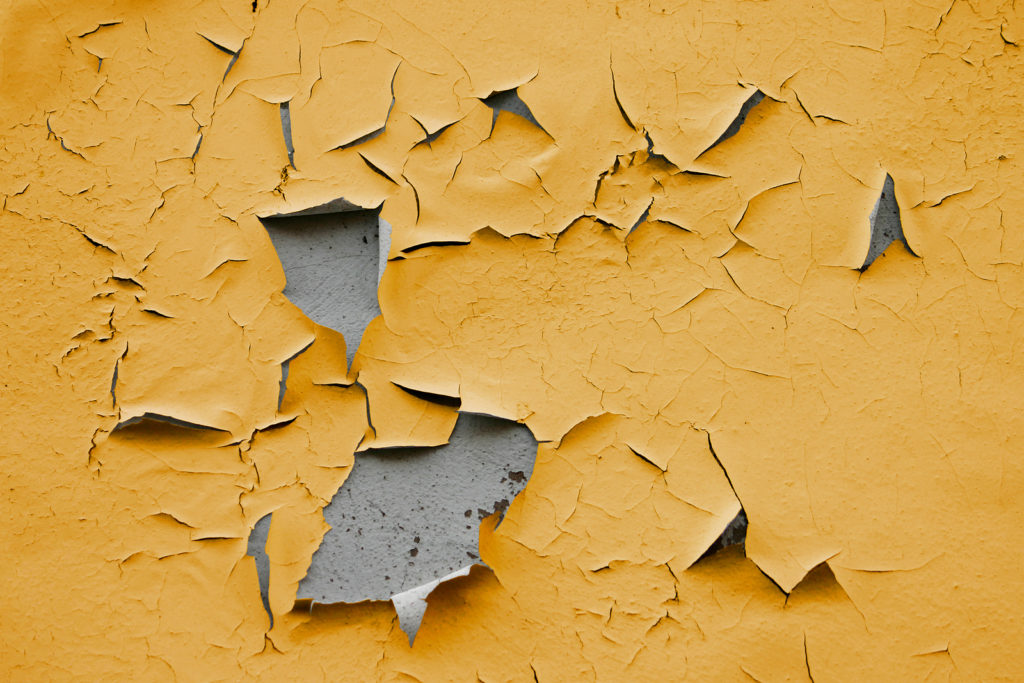
Peeling
Peeling of paint film is a common problem on both interior and exterior surfaces.
Causes:- Interiors-excessive moisture may come from high humidity or moisture trapped in newly built surfaces
- Exteriors- peeling can result from inadequate caulking, leaky roof, or interior moisture that seeps through exterior walls.
- Peeling can also occur if paint is applied to a damp surface, either interior or exterior surface.
- Improve interior ventilation as needed with natural ventilation, exhaust fans, and/or louvers.
- Remove peeling paint by sanding, cleaning, and applying suitable primer before painting/re-painting
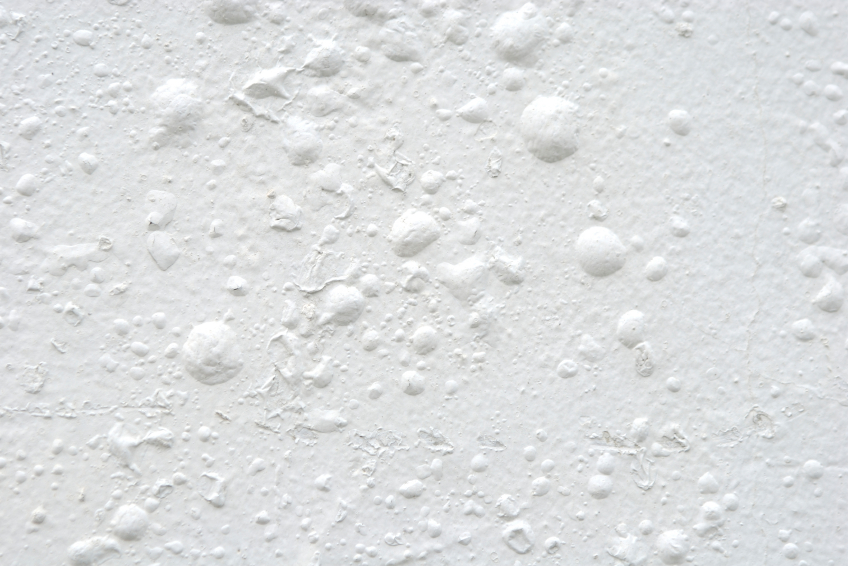
Blistering or Bubbling
Paint film fails to properly adhere and lifts off the surface in the form of multiple bumps. Blisters can appear on both interior and exterior painted surfaces walls, metal and wood.
Causes:- Heat and moisture both cause blisters. Painting in direct, intense sunlight or on overly hot surfaces can cause heat bubbles on exteriors; newly dried acrylic paint that’s exposed to rain, or high humidity may also blister.
- Interiors- moisture passing through the walls from bathrooms, kitchens, can push paint film off the surface. Oil-based paints also blister when applied over a damp surface or when applied over water-based paint.
- If the blisters contain several coats of paint and popping them reveals bare substrate, there’s a moisture issue. Address this by repairing plumbing, and/or increasing ventilation as required. Remove all blistered paint, sand smooth, clean, prime, and repaint.
- Stirring too quickly or for too long can introduce bubbles to the paint that could transfer to the surface.
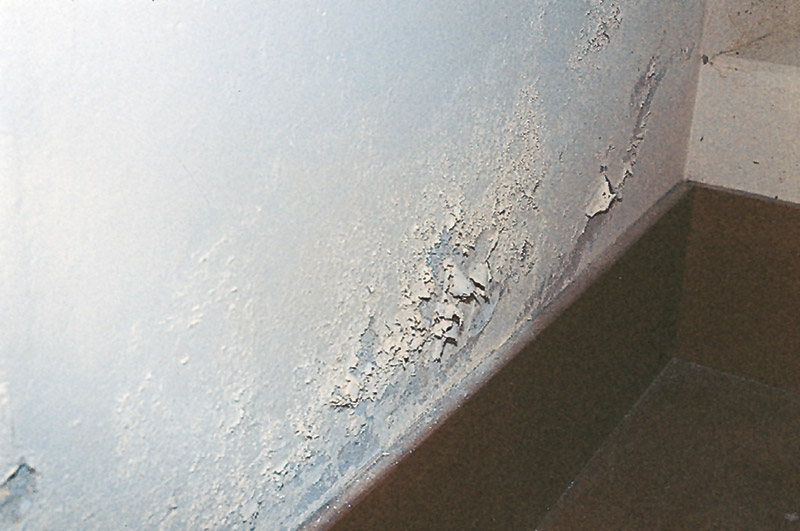
Efflorescence
Causes:- Moisture migration from surface
- Salts trapped in brick, concrete, sand, dissolve in moisture and then leach out to the surface.
- Improper surface preparation
- Groundwater penetration
- Apply sealant primer after thoroughly cleaning the surface
- Use good quality soft water to cure the surface and dilute the paint
- Clear/Colourless water repellents may prevent efflorescence from recurring
<4>Chalking
Causes:
- Interiors-wrong product selection
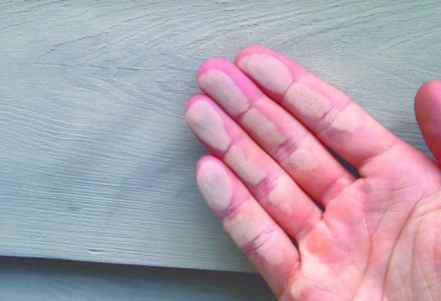
- Either interior or low-quality exterior paint that contains a high degree of extenders
- Over-thinning paint prior to application can also lead to chalking.
- Better product selection
- Right specs of application, avoid over thinning
- Use of right primers /sealants before applying top coats
Fading
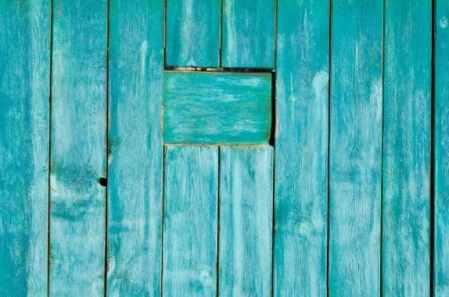
Causes:- UV rays from excessive sunlight breaks the pigments causing fading
- Too thin coats or insufficient coats may also cause fading
- Sand and remove chalky surface, apply suitable primer
- Select appropriate colour that doesn’t tend to fade faster
- Apply 2-3 coats of top coats with proper dilution
Running
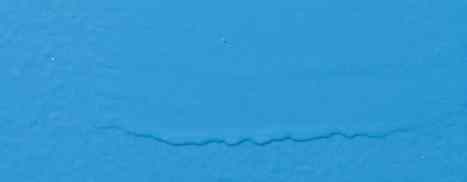
Causes:- Too much paint running down the walls
- Using over-thinned paint
- Take appropriate amount of paint with brush or roller and apply evenly
- If the run-down paint hasn’t dried, repaint to make it even
- If it has dried, f it has started to dry, wait until it’s completely dry, then use a fine-grained sandpaper until smooth. Wipe down the surface to remove any grit, then repaint
Mildew
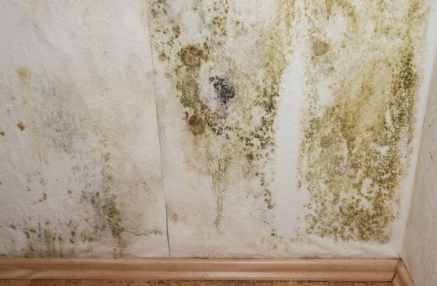
Causes:- Caused due to fungus that feeds and grows on paint, looks gray, brown, green, or dark black splotchy spots.
- Moisture, poor ventilation and lack of direct sunlight which makes fungus thrive
- Paint was applied over a surface or prior paint film that still had mildew
- A lower-quality paint was used, without adequate fungicide
- Wearing the PPE, scrub vigorously with a biocide solution and allow the solution to remain for 10-15 mins
- Rinse with clean water
- Wash the area with detergent again and rinse again
- After drying, apply a coat of primer, and 2-3 top coats
Poor Hiding
Causes:- Use of low-quality paint, tinting base and colourant
- Use of a paint that is much lighter in colour than the substrate
- Too thin coats
- Apply a coat of primer after sanding the substrate or previous coat
- Use a better-quality tinting base, colourant for better hiding/opacity
- Use 2-3 coats depending on shade, apply more thin coats than fewer thick coats